


Most revenue reports look backward. Booking pace looks forward, which is why it is the metric that should drive most pricing decisions.
What pace measures
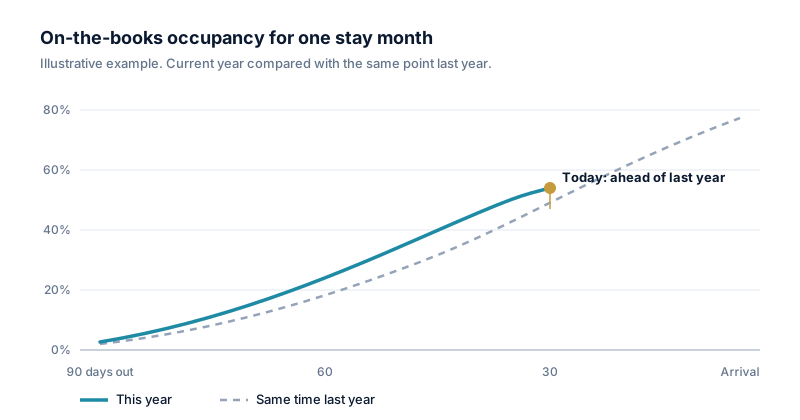
Booking pace compares how much of a future period is already booked (on the books) with a reference point. That reference is usually the same number of days before arrival last year, the market, or your own forecast.
Pickup is the change in bookings over a recent window, for example the nights booked for next month in the last 7 days.
How to read it
| Pace versus reference | Likely meaning | Typical response |
|---|---|---|
| Well ahead | Demand is strong or price is low | Test rate increases on remaining nights |
| In line | Strategy is tracking as planned | Hold and keep monitoring |
| Behind | Price, stay rules or visibility may be off | Diagnose the cause before discounting |
Be careful with comparisons
Pace comparisons only work when the reference is fair. Check for changes in inventory, events that moved dates, and shifts in the booking window before drawing conclusions.
Pace is not a verdict. It is an early warning that tells you where to look.