


High occupancy is the metric most operators celebrate. It is also the easiest one to misread.
Occupancy measures volume, not value
Occupancy tells you how many available nights sold. It says nothing about the price those nights achieved or when they were booked. A portfolio can fill almost every night and still leave revenue behind if demand would have supported higher rates.
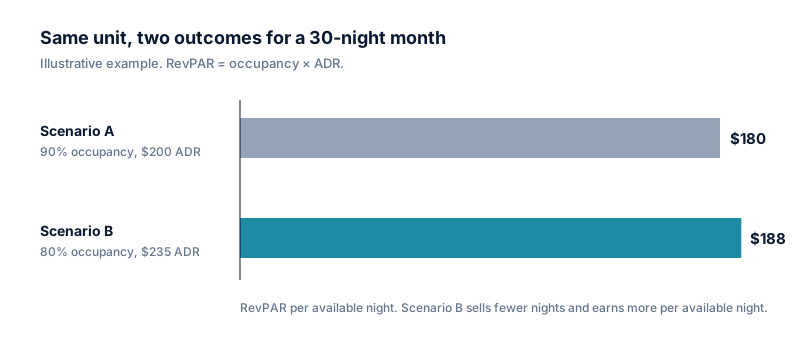
RevPAR (revenue per available night) combines both sides: RevPAR = occupancy × ADR. It is the better single measure of whether inventory was sold well.
A simple comparison
| Scenario | Nights sold (of 30) | Occupancy | ADR | Revenue | RevPAR |
|---|---|---|---|---|---|
| A | 27 | 90% | $200 | $5,400 | $180 |
| B | 24 | 80% | $235 | $5,640 | $188 |
Scenario B sells 3 fewer nights and earns more. Each stay also carries its own turnover cost, so fewer stays at a higher rate can improve margin as well as revenue.
Signals worth checking
- Peak dates selling out months earlier than comparable listings in the market.
- ADR on high-demand dates below the market's stronger segments.
- Very few price increases as those dates approach.
A calendar that fills too fast is often telling you the price was too low.
The goal is not lower occupancy. It is to know whether each night sold at the right time, at the right price.